
The Brutal Reality of Traceability in a Global Clothing Manufacturer Supply Chain
Customs authorities now demand proof of where your cotton was grown — not just where your shirts were sewn. Here is how the supply chain tier system really works, how factories fake compliance documents, and how to keep your inventory out of an impound lot.
Elron Garments Team · · 14 min read
You receive a certified letter from US Customs and Border Protection (CBP). Your ocean freight container holding 15,000 premium cotton t-shirts has been detained at the Port of Long Beach. Authorities demand verifiable proof of exactly where the raw cotton was grown before allowing the goods into the country.
You scramble. You email your factory manager overseas. They reply with a basic commercial invoice from a local fabric mill. CBP rejects it. They want agricultural records. Your factory stops replying. Your container is seized and marked for destruction. You just lost your entire quarter's inventory and $200,000 in capital.
This is not a hypothetical scenario. It is a daily occurrence in 2026.
For decades, fashion brands operated in the dark. You designed a tech pack, negotiated a unit price, and trusted the factory to handle the rest. You did not ask where the yarn was spun, and the factory did not volunteer the information. That era is dead. Governments are now forcing brands to map every single handoff in their production cycle. Establishing strict traceability in a global clothing manufacturer supply chain is no longer a marketing tactic for sustainable brands. It is a strict legal requirement for business survival.
We have spent years managing apparel production floors, negotiating with fabric mills, and untangling complex supply webs. We know exactly how factories hide their raw material sources to protect their margins — and how to force them to open their books.
This guide exposes the reality of textile sourcing: how the tier system actually operates, how factories forge compliance documents, and the exact physical and digital tracing protocols you must enforce to keep your inventory out of a customs impound lot.
The Anatomy of a Blind Supply Chain
We need to break down the tier system. The apparel supply chain is heavily fragmented. When you sign a contract for custom apparel manufacturing, you are only speaking to the final link in a very long chain.
Tier 1: Cut and Sew
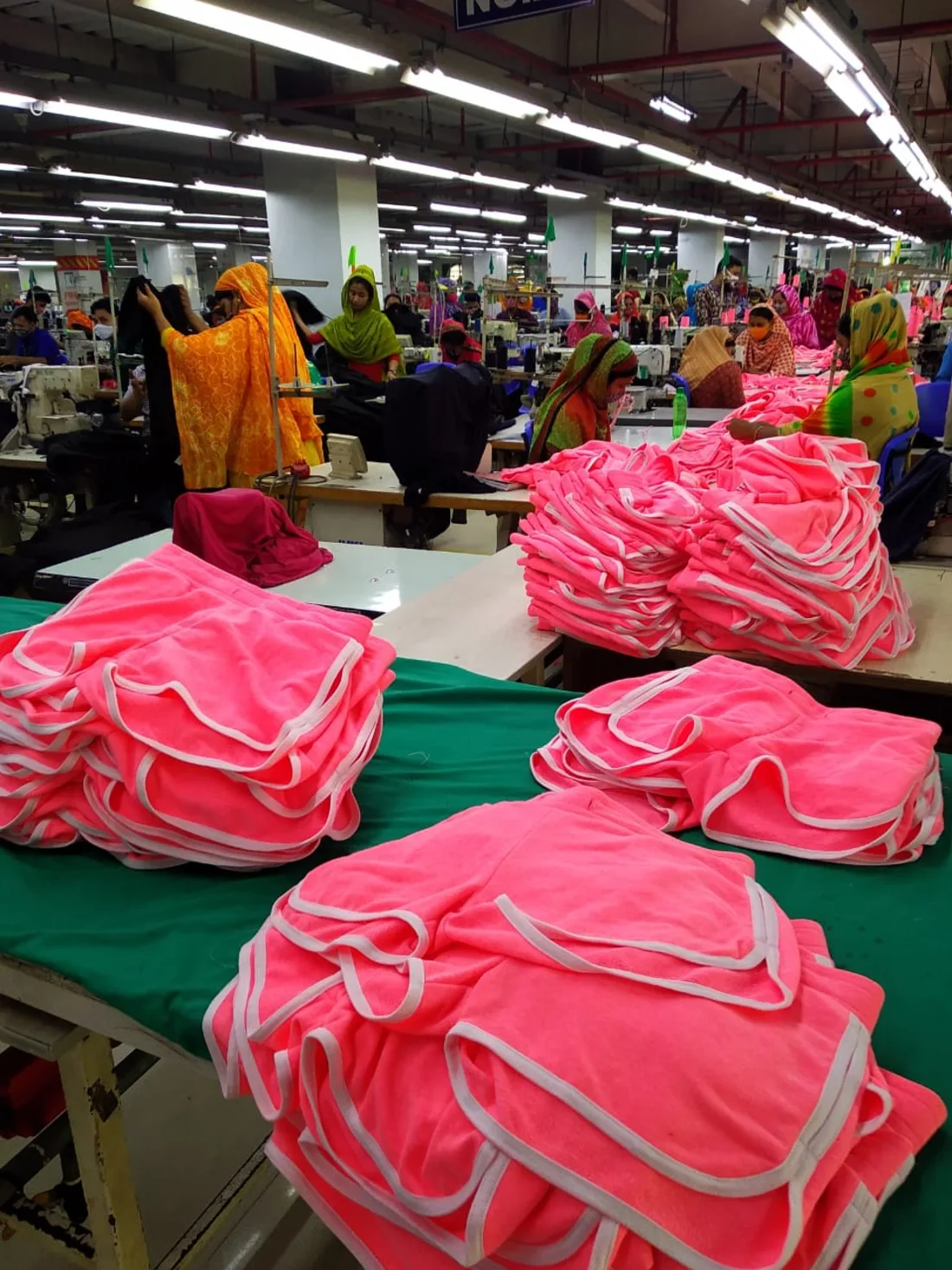
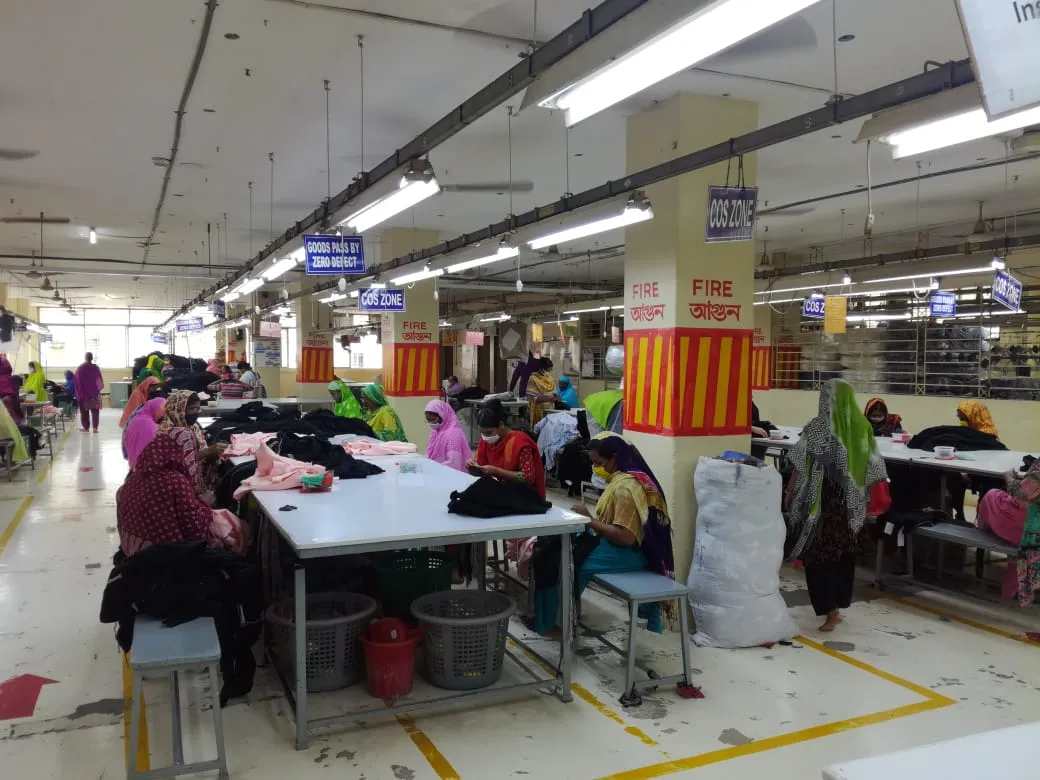
This is your actual clothing manufacturer. They own the sewing machines. They cut the fabric patterns, sew the seams, attach your neck labels, and pack the polybags. Most brand owners think the supply chain stops here.
Tier 2: Fabric Mills and Dye Houses
Tier 1 buys from Tier 2. The fabric mill knits the raw yarn into massive rolls of cloth. The dye house utilizes heavy industrial vats to color that cloth. This tier is where massive environmental damage occurs if effluent wastewater is not treated properly.
Tier 3: Yarn Spinners
The mill buys from the spinner. The spinner takes massive bales of raw agricultural fiber, cleans it, and twists it into continuous spools of yarn. This is the black hole of the fashion industry. Spinners blend cotton from dozens of different farms to achieve a uniform strength and color. Once fibers are blended here, visual traceability disappears.
Tier 4: Raw Agriculture
The farms. The cotton fields. The sheep ranches. This is where the severe legal risk lives. If a farm utilizes forced labor, your final garment is contaminated, regardless of how clean your Tier 1 factory operates.
How Factories Fake Traceability
We need to discuss the ugly side of apparel production. When you demand organic, traceable cotton, you trigger a financial incentive for the factory to lie. Traceable raw materials cost more. If a factory can charge you the premium price while using cheap conventional materials, they widen their profit margin.
The Certificate Swapping Trick
Here is exactly how document fraud happens. You demand GOTS certified organic cotton for your bulk clothing production run of 10,000 shirts.
The factory goes to a certified mill and buys exactly 100 kilograms of real GOTS organic cotton. The mill issues a valid Transaction Certificate for that specific purchase. The factory then goes to an unverified, cheap mill and buys 2,000 kilograms of conventional, pesticide-heavy cotton.
They mix the fabrics on the cutting floor, sew your shirts, and hand you the valid GOTS certificate for the 100 kilograms to "prove" the entire order is compliant. If you do not explicitly audit the volume metrics on the Transaction Certificate against your final garment weight, you will never catch the discrepancy.
The Subcontracting Shell Game
You audit a beautiful, safe Tier 1 factory. They have active compliance certifications and clean fire exits. You place an order.
The factory realizes they overbooked their sewing lines. Instead of losing your contract, they secretly load your cut fabric panels into a truck at midnight and drive them to an unregistered, unsafe sweatshop down the street. The shadow facility sews the garments, drives them back, and the primary factory packs them in boxes. You receive your goods, completely unaware they were assembled in a facility that violates every labor law on the books.
The 2026 Compliance Reality: Adapt or Pay
Governments are tired of greenwashing. They are shifting the burden of proof onto the brand. If your label is inside the collar, you are legally responsible for the entire supply chain.
The US UFLPA Enforcement
The United States strictly enforces the Uyghur Forced Labor Prevention Act (UFLPA). CBP operates on a "presumption of denial." If they suspect your cotton originated from a sanctioned region, they detain the shipment. You are presumed guilty. You have thirty days to provide an unbroken chain of custody documents — from the farm to the spinner to the mill to the factory — proving the cotton is clean. If your Tier 1 factory refuses to give you the name of their Tier 3 spinner, you lose your cargo.
The EU Digital Product Passport (DPP)
If you sell in Europe, the landscape has drastically changed. The European Commission is implementing the Ecodesign for Sustainable Products Regulation (ESPR). A critical component of this is the Digital Product Passport.
In May 2026, the Joint Research Centre finalized the specification, mandating 49 distinct data points per product batch. You cannot simply claim a garment is sustainable. You must provide a scannable digital identity card detailing the material composition, the exact manufacturing facility, chemical testing reports, and the product's carbon footprint. The regulation demands batch-level tracking, and failing to provide this data means your goods will be blocked at the EU border.
The Green Claims Directive
Taking effect in late September 2026, the EU Green Claims Directive explicitly bans brands from using vague marketing terms. You cannot print "Eco-Friendly" or "Sustainable" on a hangtag unless you have third-party, scientifically verified data proving the environmental lifecycle of that specific garment.
Digital vs. Physical Traceability
To survive these regulations, you must deploy tracing technology. Relying on PDF invoices is financial suicide.
Digital Chain of Custody
This involves supply chain mapping software. When a cotton farm sells a bale, they log it into a blockchain-secured database. The spinner accepts that exact digital asset, spins the yarn, and transfers the digital asset to the mill. You, the brand owner, log into a dashboard and see every verified handoff. The data cannot be altered retroactively.
The "End of Fiction" Problem
Digital records are excellent, but they have a fatal flaw. They track the paper, not the physical shirt. A 2026 industry report by Transformers Foundation heavily criticized software-only traceability, warning that these systems structurally fail emerging regulations because raw materials lose their physical identity when blended at the mill. If a factory swaps the physical cotton but keeps the digital paperwork intact, the software is useless.
Physical Tracers: Isotope and DNA Testing
To combat document fraud, major brands now mandate physical tracing.
- DNA Tagging: At the ginning mill, the raw cotton is sprayed with an invisible, unique synthetic DNA mist. When the finished t-shirt arrives at your warehouse, you can scan it with a specialized reader to verify the exact origin of the fiber.
- Isotope Analysis: Cotton absorbs specific isotopes from the soil and water where it grows. Forensic labs can test a finished garment, analyze the chemical signature, and pinpoint the exact geographic region the cotton was farmed in. CBP actively uses this technology to catch brands importing sanctioned cotton.
Step-by-Step: Implementing Traceability with Your Factory
You cannot retrofit traceability after the garments are sewn. You must engineer it into the contract before you pay the deposit.
Step 1: Demand Tier 2 and Tier 3 Disclosures Upfront
When requesting a manufacturing quote, state clearly: "We require full disclosure of your fabric mill and yarn spinning facility prior to finalizing this PO." If the factory manager refuses, citing "trade secrets," walk away immediately. They are hiding a non-compliant supply chain.
Step 2: Write Traceability into the Tech Pack
Your tech pack is a binding blueprint. In the Bill of Materials (BOM), do not just write "100% Cotton."
Write: "100% Combed Cotton, 200 GSM. Must include GOTS Transaction Certificate mapping origin to the final cut-and-sew invoice. Yarn spinner must be nominated from our approved vendor list." Force the factory to acknowledge the compliance requirements in writing.
Expert Advice: Do not accept a factory's promise of compliance on a standard PDF invoice. True traceability requires an unbroken chain of verified transaction certificates linked directly to your specific purchase order weight.
Step 3: Enforce Mass Balance Audits
When you hire a third-party inspector (like SGS or QIMA) to conduct your AQL 2.5 quality control check, pay for a "Mass Balance Audit." The auditor will verify the factory's purchasing records. If you ordered 5,000 heavy hoodies, the pattern requires 10,000 yards of fabric. The auditor will check the factory's inbound shipping receipts to ensure they actually purchased 10,000 yards of certified fabric from the approved mill, proving they did not secretly substitute cheap fabric halfway through the run.
The Real Cost of a Transparent Supply Chain
Transparency is expensive. Do not expect to pay rock-bottom prices while demanding forensic traceability.
The Pricing Premium
Maintaining segregated production lines — where a spinner stops the machines, cleans them entirely, and runs only your certified organic cotton to prevent blending — costs significant machine time. Managing the digital compliance software costs money. Third-party audits cost money. Expect your FOB per-unit price to increase by 8% to 15% when you demand a fully traceable supply chain.
The Cost of Ignorance
Compare that 15% premium against the alternative. A single detained shipping container costs you the wholesale value of the goods, the freight costs, the legal fees to fight the seizure, and the lost retail revenue. More dangerously, if a regulatory body publicly fines your brand for utilizing forced labor, your consumer trust is destroyed permanently. The 15% premium is an insurance policy for your entire business.
Comparison: Traditional Sourcing vs. Traceable Sourcing
| Feature | Traditional Sourcing | Traceable Sourcing |
|---|---|---|
| Visibility | Tier 1 (factory floor only) | Tier 1 through Tier 4 (farm level) |
| Compliance Proof | Supplier word / commercial invoices | Blockchain ledgers, Transaction Certificates |
| Material Verification | Touch and feel | DNA tagging or isotope testing |
| Customs Risk | Extremely high (subject to seizure) | Low (audit-ready documentation on hand) |
| Per-Unit Cost | Lowest possible market price | Premium applied for auditing and segregation |
| Brand Reputation | Vulnerable to investigative exposure | Defensible, transparent, compliant |
The Elron Standard
Managing the intense friction between Tier 3 yarn spinners, Tier 2 dye houses, and Tier 1 sewing floors requires massive operational infrastructure. Most brand founders do not have the time to audit wastewater treatment plants or track physical isotope data while trying to run a marketing campaign.
You need a partner whose infrastructure is already built for the 2026 regulatory reality.
Elron Garments is a 100% export-oriented apparel manufacturer in Dhaka, Bangladesh, offering OEM, ODM, and fully transparent private label production. We engineer the risk out of the supply chain. We provide full visibility into our raw material sourcing, utilize certified low-impact dye houses, and enforce strict AQL quality control on every production line.
We support brands requiring low MOQ on-ramps from 50 pieces and scale flawlessly to manage massive bulk production for corporate buyers. We maintain the necessary compliance data to satisfy global customs authorities and Digital Product Passport mandates. With DDP shipping to 35+ countries, you can focus on scaling your business while we handle the legal and technical heavy lifting of modern apparel manufacturing.
Ready to produce your line?
Low 50-piece MOQ, samples in 7–15 days, DDP to 38+ countries. Send your specs — we reply within 24 hours.
Get a QuoteFrequently Asked Questions
What is supply chain traceability in the clothing industry?
Traceability is the ability to track and verify the complete journey of a garment, tracing the exact origin of the raw agricultural fibers through the spinning mills, dye houses, and final cut-and-sew factories to prove ethical and legal compliance.
Why is the Digital Product Passport (DPP) important for fashion brands?
The DPP is a mandatory EU regulation requiring brands to provide a scannable digital record for every product batch. It acts as an identity card, disclosing material origin, chemical usage, and environmental impact to consumers and customs authorities.
What do Tier 1, Tier 2, and Tier 3 mean in apparel manufacturing?
Tier 1 is the cut-and-sew factory that assembles the final garment. Tier 2 represents the facilities that dye and finish the fabric. Tier 3 includes the spinning mills that turn raw fiber into yarn. Tier 4 represents the farms that grow the raw materials.
How does the UFLPA affect clothing brands?
The Uyghur Forced Labor Prevention Act (UFLPA) allows US Customs to detain imported garments if they suspect the cotton was sourced from sanctioned regions. Brands must provide forensic or documentary proof of the cotton's true geographic origin to release their goods.
What is a GOTS Transaction Certificate?
A Transaction Certificate is a formal document issued by an independent certification body. It proves that a specific batch of goods (like a shipment of cotton) meets the strict environmental and social criteria of the Global Organic Textile Standard as it moves from one facility to another.
How do factories fake sustainability claims?
Unethical factories often buy a tiny amount of certified organic material to secure a compliance document, then secretly mix it with massive amounts of cheap, conventional material on the cutting floor, using the original document to cover the entire fraudulent order.
What is mass balance in textile sourcing?
Mass balance is an auditing technique where inspectors compare the volume of certified raw materials a factory purchased against the total weight of the finished garments they shipped. It ensures the factory did not secretly substitute cheap materials to fulfill the order.
How does isotope testing work for cotton?
Cotton absorbs unique chemical isotopes from the specific soil and local water where it is grown. Forensic laboratories can analyze a finished t-shirt and match its isotope signature to a specific geographic region, proving exactly where the cotton was farmed.
Why is tracing raw materials so difficult?
Tracing is difficult because natural fibers like cotton and wool are gathered from hundreds of different farms and thrown into massive industrial blenders at the spinning mill to ensure uniform yarn strength, completely erasing visual origin identity.
Does traceability increase the cost of manufacturing clothing?
Yes. Enforcing segregated production lines to prevent fiber mixing, paying for forensic testing, and managing supply chain mapping software typically adds an 8% to 15% premium to the factory's per-unit FOB cost.
How do I find a transparent clothing manufacturer?
To find a transparent manufacturer, bypass simple brokers and demand direct communication with the factory floor. Require them to disclose their Tier 2 fabric mills before signing a contract, and verify their operational compliance through third-party audits like WRAP or SMETA.
What happens if my clothing shipment is seized by customs?
If customs detains your shipment under forced labor suspicions, you receive a detention notice. You typically have 30 days to submit irrefutable supply chain documentation proving the origin of the raw materials. If you fail, the goods are seized, destroyed, or exported, and you lose your entire investment.
What is a Digital Product Passport?
A Digital Product Passport is a regulated digital record containing comprehensive lifecycle data about a physical product. For apparel, it includes batch-specific information on material composition, recyclability, and chemical compliance, accessible via a QR code or NFC tag.
Can a factory refuse to tell me where they buy their fabric?
A factory can refuse to disclose their fabric mills, often claiming it is a proprietary trade secret to protect their margins. However, accepting this refusal exposes your brand to massive legal liability. Professional brands require full disclosure as a condition of doing business.
What is blockchain traceability in fashion?
Blockchain traceability uses decentralized digital ledgers to record every transaction and material handoff in the supply chain. Because the ledger cannot be altered retroactively, it provides a highly secure, tamper-proof audit trail for regulatory compliance.
How do you verify an organic cotton certificate?
You never accept a PDF certificate at face value. You must locate the unique licensing number on the certificate and verify it directly through the official public database of the issuing organization (such as GOTS or OEKO-TEX) to ensure it is active and belongs to the stated facility.
What is the difference between OEM and CMT manufacturing?
OEM (Original Equipment Manufacturer) handles the entire supply chain, sourcing the raw fabric, cutting, and sewing the garment for one inclusive price. CMT (Cut, Make, Trim) requires the brand owner to purchase all raw materials independently and ship them to the factory for sewing.
How much profit margin should a clothing brand have?
A healthy fashion brand targets a gross profit margin of 50% to 75%. To maintain this while absorbing the higher costs of traceable manufacturing, brands must engineer strict pricing strategies, setting retail prices at least 2.5 to 3 times the final landed cost.
What are the risks of using overseas clothing manufacturers?
The primary risks include total loss of supply chain visibility, inconsistent dye lots, massive shipping delays, complex import duties, and the severe legal liability of unknowingly funding unauthorized subcontracting in unsafe, non-compliant facilities.
How do you audit a garment factory?
Auditing requires hiring an independent, accredited third-party inspection agency to visit the facility. The auditor assesses structural safety, tests wastewater treatment systems, cross-references payroll logs against production output, and conducts private interviews with workers.