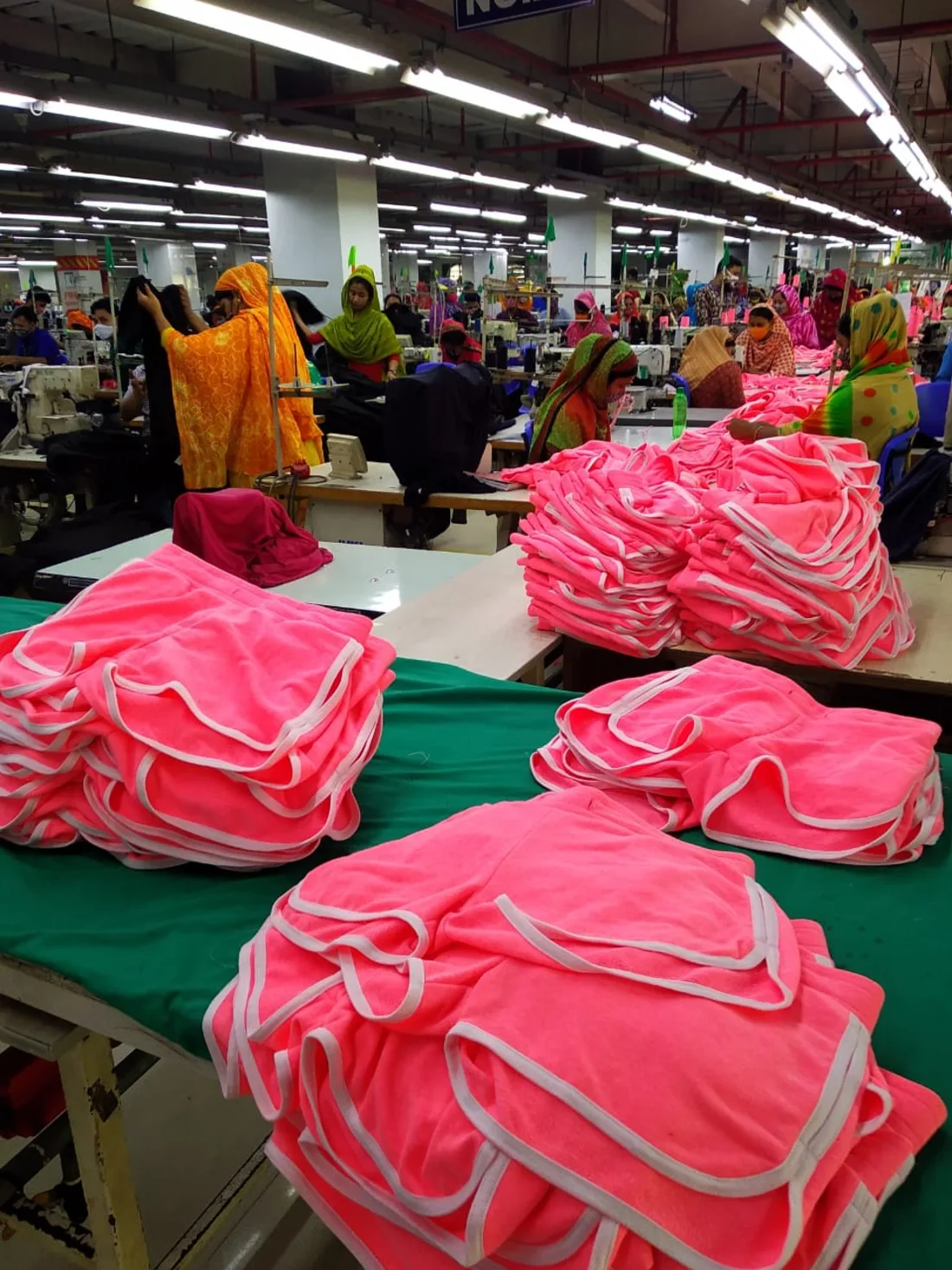

The 2026 Guide to a Transparent Clothing Manufacturer Supply Chain
How to build a transparent clothing manufacturer supply chain in 2026 — the EU Digital Product Passport, the four supplier tiers, traceability technology, and how to audit your manufacturing partners.
Elron Garments Team · · 11 min read
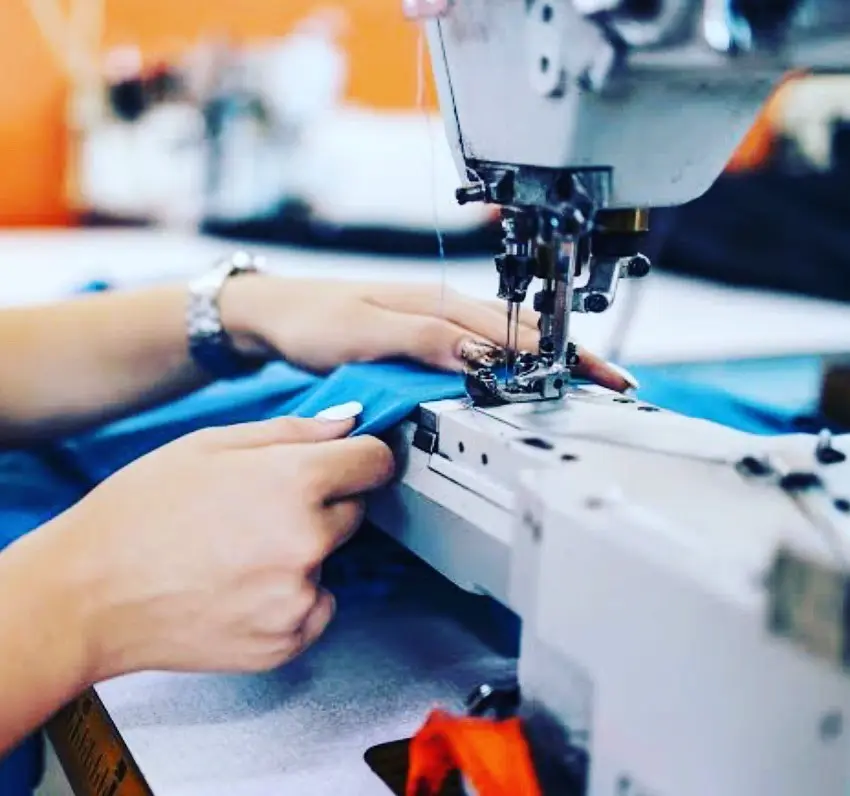
Transparency is no longer a marketing nicety for fashion brands. In 2026 it is a legal and commercial necessity. Consumers, regulators and investors all now demand to know exactly where materials came from, how they were processed, and who was involved at every step of production.
If you are a brand founder, designer or sourcing manager, relying on opaque middlemen has become a liability. Building a transparent clothing manufacturer supply chain in 2026 means partnering with factories that can trace a garment from the cotton farm to the final stitch — and prove it on paper.
What a Transparent Textile Supply Chain Actually Means
For decades the industry operated in the dark. A brand would hire a Tier 1 cut-and-sew factory and have no idea where that factory bought its fabric, where the mill bought its yarn, or where the cotton was farmed.
Real transparency means documenting and verifying every phase. That requires mapping four distinct tiers:
- Tier 4 — Raw material sourcing. Knowing the specific farms or facilities producing the cotton, wool or recycled synthetic fibre, verified by certifications such as GOTS or OEKO-TEX Standard 100.
- Tier 3 — Spinning and weaving. The stage where fibre becomes yarn and yarn becomes fabric. You need the identity of the mills and visibility into their labour conditions.
- Tier 2 — Dyeing and finishing. Historically the most environmentally damaging phase. A transparent manufacturer provides data on chemical usage, water consumption and wastewater treatment.
- Tier 1 — Garment production. The final cut, sew and assembly factory, with auditable records of wages, working hours and facility safety.
The 2026 Regulatory Landscape
The biggest driver of transparency right now is not consumer sentiment — it is legislation. If you sell clothing into the European Union or the United States, traceability is a legal obligation.
The EU Digital Product Passport
Introduced under the Ecodesign for Sustainable Products Regulation (ESPR), the Digital Product Passport is the most significant piece of fashion legislation this decade. Think of it as a digital birth certificate for a garment. With requirements phasing in between 2026 and 2027, textile products sold in the EU will need to carry a physical trigger — a QR code, NFC chip or RFID tag.
In May 2026 the Joint Research Centre published the full specification for textile DPPs, covering 49 mandatory data points. When a consumer or regulator scans that code, they must be able to see:
- Exact fibre composition, including precise percentages of recycled versus virgin material.
- The verified country of manufacture and the specific facility details.
- Chemical compliance records and environmental certifications.
Global due diligence laws
Beyond the DPP, the EU Corporate Sustainability Due Diligence Directive (CSDDD) and the U.S. Uyghur Forced Labor Prevention Act (UFLPA) force brands to prove their supply chains are free of forced labour and severe environmental violations. Failing that traceability means fines, border seizures and reputational damage that outlasts the penalty.
The Technology Behind Traceability
You cannot run a 2026 transparent supply chain on spreadsheets. When vetting a manufacturing partner, look at what they actually integrate with.
Supply chain mapping platforms
Specialised SaaS platforms built for textile traceability — Retraced, TrusTrace, Fairly Made and Sourcemap among them — let brands visually map their chain, collect fibre composition sheets, and manage compliance documents across every supplier tier.
Blockchain for immutable records
Blockchain is increasingly used to create tamper-proof records of a garment's journey. Once a mill uploads a certification to a blockchain-backed platform, it cannot be quietly altered or faked further down the chain — which is what makes the data attached to a Digital Product Passport trustworthy.
AI anomaly detection
Analytics tools now flag gaps and inconsistencies automatically. If a factory claims to have produced 10,000 organic cotton shirts but only purchased enough certified yarn for 5,000, the discrepancy surfaces immediately rather than during a customs inspection.
Building Your Transparent Supply Chain
Step 1: Eliminate the middlemen
Serious buyers are cutting transactions with small converters and opaque sourcing agents. Prioritise direct relationships with factory-based production companies that control the process — from yarn entry to final finishing — inside their own observable systems.
Step 2: Map what you have
You cannot fix what you cannot see. List every active supplier. Do not stop at the sewing factory: require your Tier 1 partners to disclose their Tier 2 fabric mills and Tier 3 spinners.
Step 3: Collect verifiable documentation
Verbal assurances are worthless in 2026. Send structured questionnaires. Demand independent third-party audits such as SMETA or BSCI, and request composition analysis certificates issued by accredited laboratories.
Step 4: Adopt DPP-ready infrastructure now
Start putting QR codes on care labels before you are forced to. Choose a traceability platform compatible with ESPR data formats and begin uploading supplier data. Brands that structure this early convert a compliance burden into a competitive advantage.
The Roadblocks You Will Hit
- Supplier reluctance. Many suppliers fear that revealing their mills lets you bypass them. Counter it with long-term partnership agreements that guarantee volume, turning a defensive vendor into a strategic partner.
- The Tier 2 blindspot. Brands often discover they genuinely do not know which mill spun their yarn, because that relationship belongs to the fabric supplier rather than to them. Solving it means funding deeper audits and sometimes paying a premium for traceability.
- Data silos. Fragmented records across legacy systems block real-time insight. Consolidate into a single PLM or traceability platform.
The days of hiding behind a "Made in [Country]" label are over. In 2026 the label is the beginning of the question, not the answer.
Transparency as a Commercial Asset
A transparent supply chain is now the clearest marker of a premium, trustworthy brand. With Digital Product Passports rolling out and due diligence laws tightening, traceability has become the baseline for market entry rather than a differentiator — but the brands that get there first still get to tell the story.
Elron Garments is a 100% export-oriented apparel manufacturer in Dhaka, Bangladesh, and we operate as a direct factory partner rather than a sourcing agent — which is what makes tier-level traceability possible in the first place.
We work to OEKO-TEX, GOTS, BSCI, SEDEX, WRAP and GRS frameworks, maintain documented relationships with our fabric mills, and provide the composition and compliance documentation your DPP obligations require. Send us your specs and we will come back within 24 hours with pricing, fabric options and the certification paperwork that goes with them.
Ready to produce your line?
Low 50-piece MOQ, samples in 7–15 days, DDP to 38+ countries. Send your specs — we reply within 24 hours.
Get a QuoteFrequently Asked Questions
What is a transparent clothing manufacturer supply chain?
It is a supply chain where every production phase is documented and verifiable across four tiers: raw material sourcing (Tier 4), spinning and weaving (Tier 3), dyeing and finishing (Tier 2), and garment production (Tier 1) — with certifications and audit records supporting each stage.
What is the EU Digital Product Passport?
The Digital Product Passport is a requirement under the Ecodesign for Sustainable Products Regulation that gives each textile product a scannable digital record via QR code, NFC chip or RFID tag. The Joint Research Centre's May 2026 specification defines 49 mandatory data points covering fibre composition, manufacturing origin and chemical compliance.
When does the Digital Product Passport take effect for clothing?
Requirements phase in between 2026 and 2027 for textile products sold in the European Union. Brands that structure their supplier data now avoid a scramble when their specific product category comes into scope.
What are Tier 1, 2, 3 and 4 suppliers in fashion?
Tier 1 is the cut-and-sew garment factory. Tier 2 covers dyeing and finishing. Tier 3 covers spinning and weaving — turning fibre into yarn and yarn into fabric. Tier 4 is raw material production, such as the cotton farm or recycled fibre facility.
What is the Tier 2 blindspot?
It is the common situation where a brand cannot identify which mill spun its yarn, because that relationship is owned by the fabric supplier rather than the brand. Resolving it usually requires deeper audits and sometimes paying a premium for verified traceability.
Which certifications prove supply chain transparency?
GOTS and OEKO-TEX Standard 100 verify raw material and chemical safety claims. SMETA and BSCI provide independent social and labour audits. GRS covers recycled content. Accredited laboratory composition analysis certificates back up fibre percentage claims.
What is the UFLPA and how does it affect apparel sourcing?
The U.S. Uyghur Forced Labor Prevention Act requires importers to prove their goods are free of forced labour. Without documentation tracing cotton back to its origin, shipments can be detained at the border regardless of where the garment was sewn.
What software is used for textile supply chain traceability?
Purpose-built platforms including Retraced, TrusTrace, Fairly Made and Sourcemap let brands map suppliers visually, collect composition sheets, and manage compliance documents across all tiers. Many are designed to output ESPR-compatible data for Digital Product Passports.
Why does blockchain matter for garment traceability?
Blockchain creates tamper-proof records. Once a mill uploads a certificate to a blockchain-backed platform it cannot be silently altered downstream, which is what makes the data behind a Digital Product Passport credible to regulators.
How do I get suppliers to disclose their own suppliers?
Address the underlying fear that disclosure lets you bypass them. Long-term partnership agreements that guarantee volume convert a defensive vendor into a strategic partner with an incentive to be transparent.
Does Elron Garments provide traceability documentation?
Yes. We operate as a direct factory rather than a sourcing agent, work to OEKO-TEX, GOTS, BSCI, SEDEX, WRAP and GRS frameworks, maintain documented mill relationships, and supply the composition and compliance paperwork needed for DPP and due diligence obligations.