

AI-Driven Clothing Manufacturer: The Future of B2B Sourcing in 2026
How an AI-driven clothing manufacturer changes B2B sourcing in 2026 — computer-vision quality control, digital twin sampling, predictive demand forecasting, and dynamic MOQs.
Elron Garments Team · · 11 min read
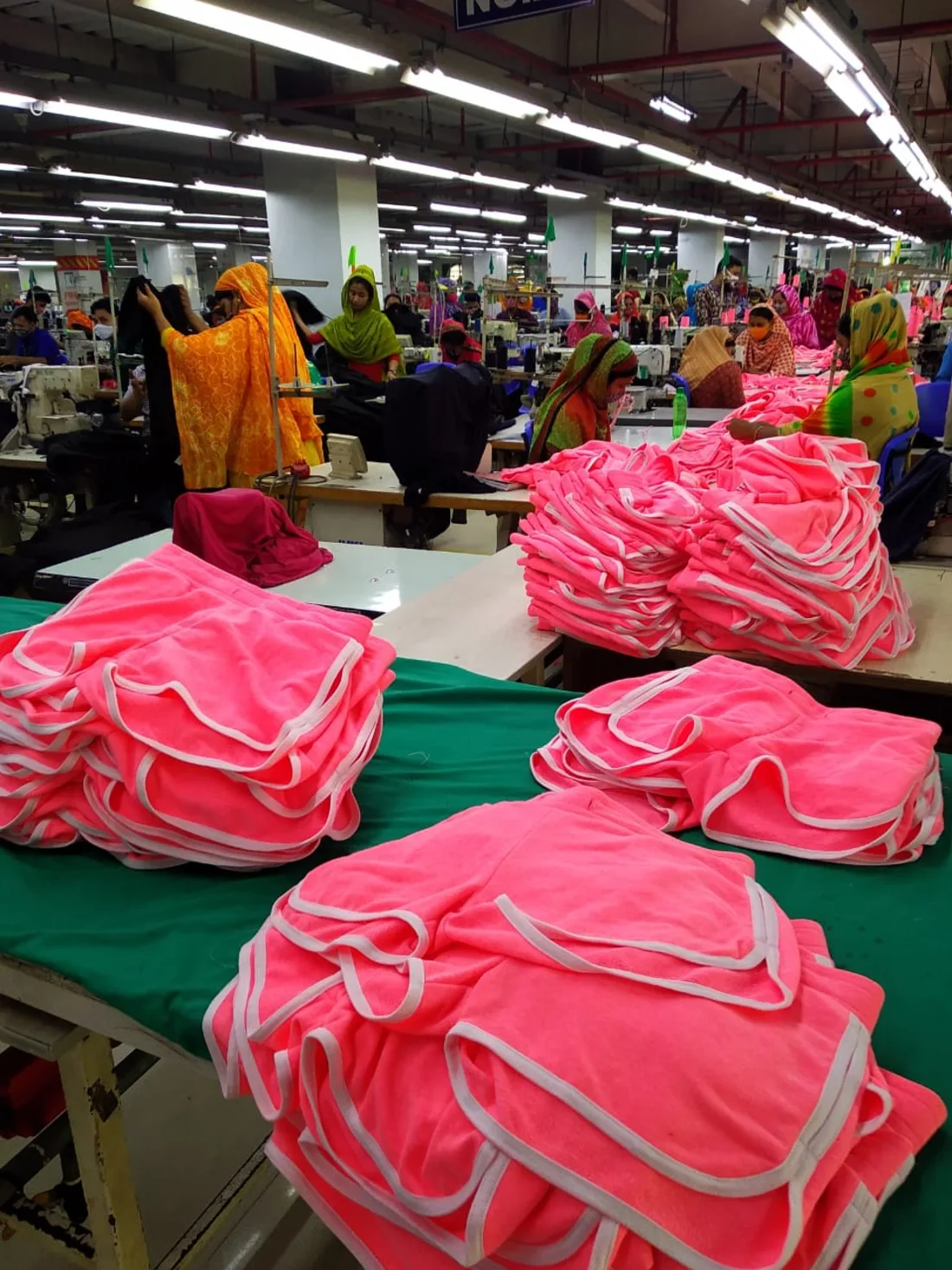
Apparel manufacturing has historically been one of the most labour-intensive and analogue sectors in the global economy. For decades B2B sourcing ran on endless email chains, physical samples shipped across oceans, manual quality inspection and reactive supply chain management.
In 2026 that model is being dismantled. The AI-driven clothing manufacturer has changed how brands, wholesalers and retailers source product — by wiring machine learning into every layer of the factory floor rather than bolting software onto the front office.
This guide covers what actually defines an AI-powered factory, how the technology changes sourcing economics, and how to evaluate whether a supplier's "smart factory" claims are real.
What Makes a Manufacturer AI-Driven
An AI-driven clothing manufacturer is not a factory that bought a few automated sewing machines. It is a digitised production ecosystem where algorithms connect and optimise every step, from raw material procurement to final logistics.
Traditional factories operate in silos: pattern makers do not talk to inventory software in real time, and the sewing floor runs independently of quality control. In a smart factory, AI is the connective tissue — reading IoT sensors on machines, computer vision on the inspection line, and ERP data, then making decisions with all three in view.
| Function | Traditional manufacturer | AI-driven manufacturer |
|---|---|---|
| Sampling | Physical samples shipped globally — weeks | 3D digital twins and virtual fitting — hours |
| Quality control | Manual inspection, prone to human error | Computer vision detects micro-defects instantly |
| Demand forecasting | Guesswork based on last year's sales | Predictive models reading real-time market signals |
| Material sourcing | Reactive ordering, leading to deadstock | Automated, just-in-time fabric procurement |
| Lead times | 3 to 6 months | 2 to 4 weeks, less for dynamic micro-runs |
The Core Technologies
Computer vision for quality control
In tier-one facilities, manual QC is becoming obsolete. High-definition cameras paired with computer vision scan fabric rolls as they unspool, catching thread inconsistencies, dye variation and weaving errors at microscopic scale.
During cut and sew, the same systems monitor seam tension and stitch counts. A machine sewing a crooked seam is halted automatically and a technician alerted before a single defective garment moves down the line. For a buyer, that pushes defect rates from the industry-standard 3–5% toward near zero.
Generative AI for pattern making
Translating a 2D design into a graded, production-ready pattern used to take weeks of manual drafting. Now a tech pack uploaded to a manufacturer's portal can produce optimal patterns, grade them across the full size run, and generate a cutting marker that reduces fabric waste by up to 25%.
Digital twins and 3D prototyping
Rather than waiting a month for a physical prototype, an AI-driven manufacturer generates a hyper-realistic 3D model that simulates how a specific fabric drapes, folds and stretches on a body. Buyers approve construction digitally, cutting the sampling timeline roughly in half.
Predictive maintenance
Downtime kills delivery dates. Algorithms monitoring the sound, vibration and output of industrial machines predict when a needle will break or a motor will fail, so maintenance happens before the breakdown rather than after your production slot is lost.
What This Changes for Buyers
Speed to market
Trends now peak and fade within a month. When pattern making, sampling and machine setup are digitised, lead times compress enough that you can spot a trend, source it, and have stock in your warehouse in weeks rather than seasons.
Cost efficiency through waste reduction
AI-optimised marker planning uses less fabric per garment, and predictive forecasting means producing closer to what you can actually sell. The per-unit cost may read slightly higher because of technology overhead, but the landed cost and the collapse in deadstock usually more than compensate.
Dynamic and micro MOQs
Traditional factories impose high minimums because resetting a manual line is expensive. Smart factories group small orders with similar fabrics and colours automatically, which lets them offer lower or dynamic minimums without destroying their own margin — and lets brands test styles without committing serious capital.
Compliance data on demand
With the EU Digital Product Passport and similar regulations landing, manufacturing software that logs every data point — cotton origin through dyeing energy use — turns compliance reporting from a research project into an export.
How to Transition to AI-Powered Sourcing
Step 1: Digitise your design process
You cannot leverage an AI factory while sending hand-drawn sketches. Design teams need 3D fashion software such as CLO 3D or Browzwear so the manufacturer's systems can ingest your designs directly.
Step 2: Run a modern PLM
A Product Lifecycle Management system with open APIs can talk to the manufacturer's ERP, so a reorder can be triggered by inventory thresholds and predictive analytics rather than by someone remembering to send an email.
Step 3: Vet the AI claims properly
Plenty of factories call themselves smart because they bought a software suite. Ask specifics:
- Do you use computer vision for in-line quality control, or only final inspection?
- Can your systems integrate with our PLM for real-time production tracking?
- Do you offer digital twin sampling, and can I see one for a comparable garment?
- How does your system optimise fabric cutting, and what waste percentage do you achieve?
Step 4: Redefine the relationship
In an AI-driven setup the relationship shifts from transactional vendor to technical partnership. You will be sharing live sales and inventory data so their models can pre-position raw materials — which requires genuine trust, tight NDAs and real cybersecurity discipline on both sides.
The Honest Limitations
- Data security. Connecting internal sales data to a manufacturer's systems creates real exposure. Encrypted pipelines and clear data-handling terms are non-negotiable.
- The talent gap. Working with smart factories requires sourcing managers who understand software architecture as well as textiles — a genuinely scarce combination.
- Integration cost. Aligning API connections and 3D libraries between a brand and a factory takes upfront time and capital before any efficiency is realised.
The factories that win the next decade will not be the ones with the most machines. They will be the ones whose machines are talking to each other.
Where This Leaves Sourcing Teams
The era of manual, error-prone, slow apparel production is closing. Digitising the supply chain, leaning on predictive analytics and partnering with genuinely instrumented factories is becoming a requirement for competing on speed rather than an experimental luxury.
Elron Garments is a 100% export-oriented apparel manufacturer in Dhaka, Bangladesh. We are candid about what is automated and what is human: digital tech pack workflows and rapid sampling, systematic in-line and end-line inspection against AQL 2.5, and full documentation of every production stage.
Send us a tech pack and we will return factory-direct pricing, fabric options and a realistic production timeline within 24 hours — including DDP shipping to your warehouse.
Ready to produce your line?
Low 50-piece MOQ, samples in 7–15 days, DDP to 38+ countries. Send your specs — we reply within 24 hours.
Get a QuoteFrequently Asked Questions
What is an AI-driven clothing manufacturer?
It is a factory where machine learning connects and optimises every production stage rather than operating in silos — using IoT sensors on machines, computer vision on inspection lines and ERP data together to make production decisions automatically.
How does AI improve garment quality control?
High-definition cameras with computer vision scan fabric rolls for thread inconsistencies, dye variation and weaving faults, then monitor seam tension and stitch counts during sewing. Defective work is halted at the machine, pushing defect rates from the typical 3–5% toward near zero.
What is a digital twin in fashion manufacturing?
A digital twin is a hyper-realistic 3D model of a garment that simulates how a specific fabric drapes, folds and stretches on a body. It lets buyers approve construction digitally instead of waiting weeks for a physical prototype to ship.
Can AI manufacturing reduce minimum order quantities?
Yes. Smart factories automatically group small orders that share fabrics and colours, which spreads setup cost across several buyers. That makes lower or dynamic MOQs viable without the factory losing margin on the run.
How much fabric waste does AI marker planning save?
AI-generated cutting markers typically reduce fabric consumption by up to 25% compared with manual marker planning, by packing pattern pieces more efficiently across the roll width.
What lead times can an AI-driven manufacturer achieve?
Where traditional sourcing runs 3 to 6 months, digitised pattern making, sampling and machine setup can compress the cycle to roughly 2 to 4 weeks, and less for dynamic micro-runs — before international freight.
How do I verify a factory's AI claims are real?
Ask whether computer vision runs in-line or only at final inspection, whether their systems integrate with your PLM for live production tracking, whether they can show a digital twin for a comparable garment, and what measured fabric-waste percentage their cutting optimisation achieves.
What software should my brand have before working with a smart factory?
3D design software such as CLO 3D or Browzwear so your designs are machine-readable, and a PLM system with open APIs that can exchange production and inventory data with the manufacturer's ERP.
What are the risks of AI-driven sourcing?
Three main ones: data security exposure from connecting sales data to a supplier's systems, a talent gap in sourcing managers who understand both software and textiles, and meaningful upfront cost to align APIs and 3D libraries before efficiency gains appear.
Does AI manufacturing help with Digital Product Passport compliance?
Substantially. Systems that log every production data point — from fibre origin to dyeing energy use — can export compliance documentation directly, turning DPP and due diligence reporting into a data export rather than a manual audit.