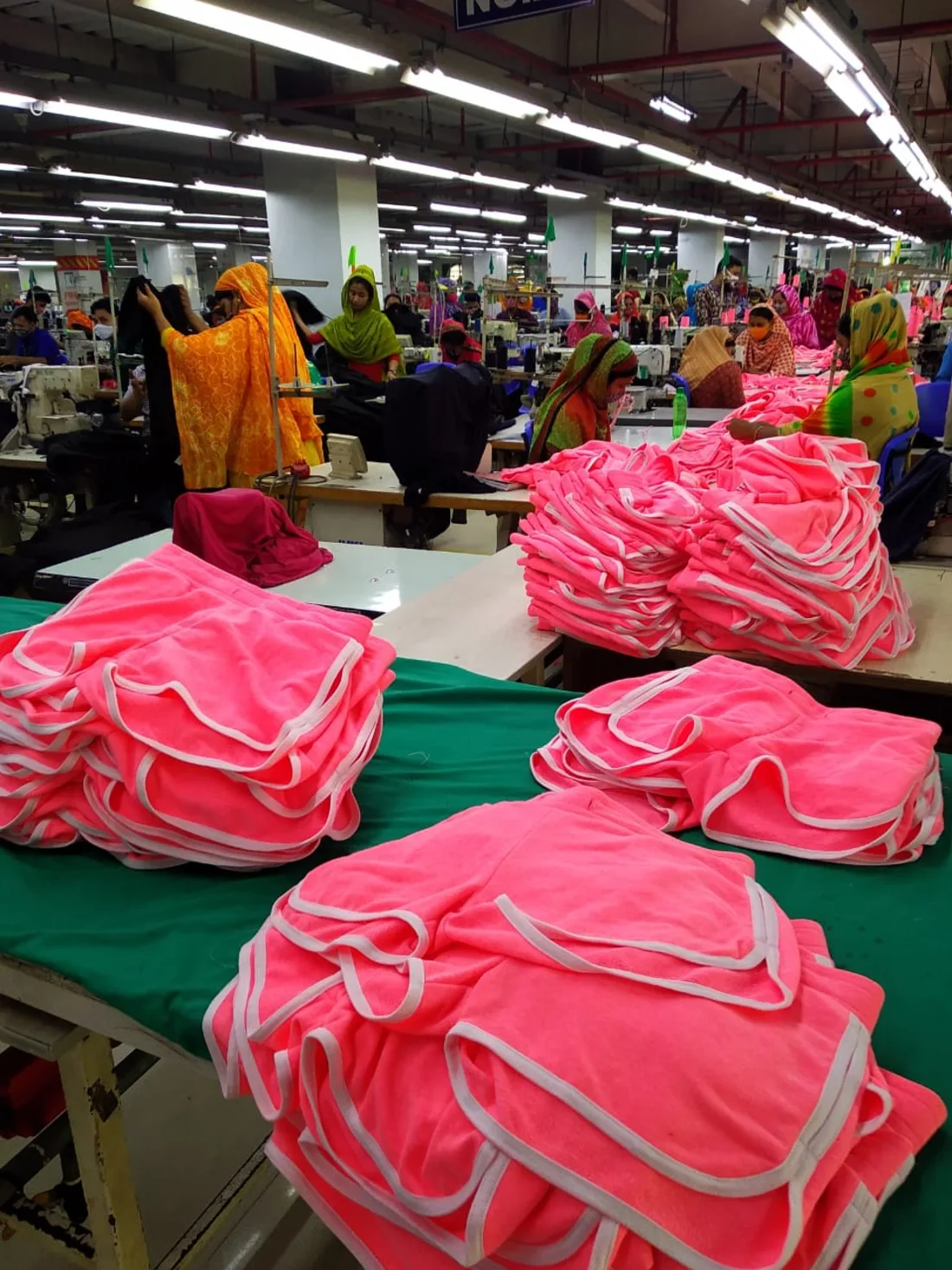

Custom Clothing Manufacturer Sourcing for B2B Ecommerce in 2026
Corporate buyers do not tolerate sizing inconsistencies or missed deadlines. This is the complete blueprint for sourcing, vetting, and partnering with a factory capable of supporting your B2B ecommerce growth.
Elron Garments Team · · 16 min read
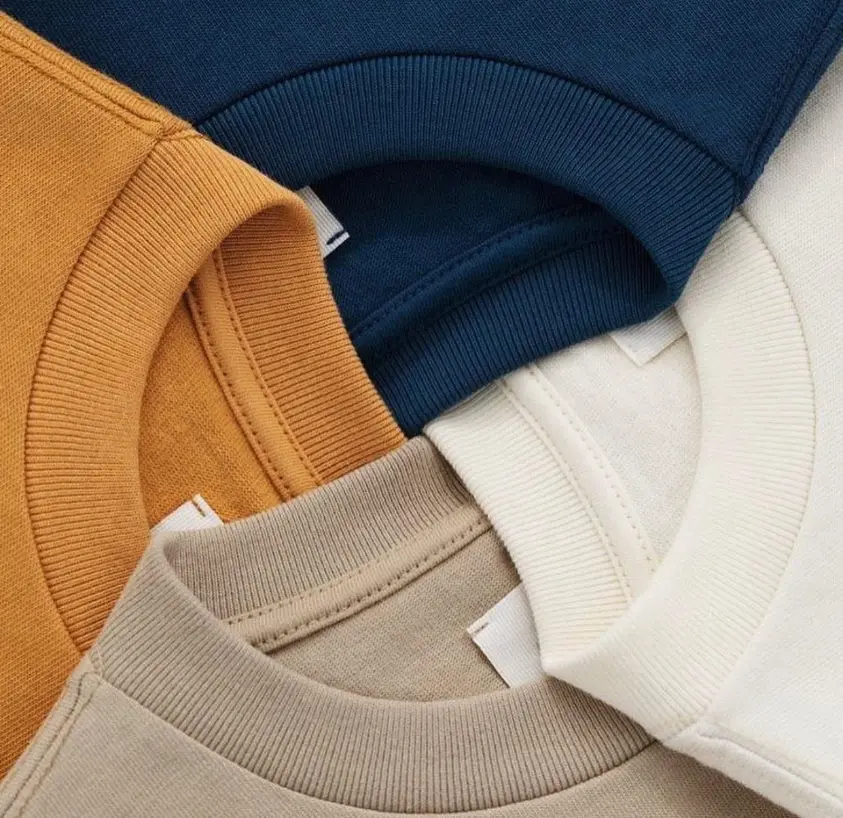
You land a massive corporate account. A technology company wants 2,000 premium, heavyweight hoodies for their annual retreat. Your B2B ecommerce portal is humming, the wire transfer clears, and you think you just hit a home run.
Then you contact your usual supplier. They tell you they cannot match the exact Pantone blue the client demands unless you order 10,000 units. You scramble to find a new factory, end up with a broker who promises the world, and six weeks later, a truck dumps 2,000 pill-covered, lightweight hoodies at your warehouse with crooked embroidery.
You just lost the client, the revenue, and your reputation.
Running a B2B ecommerce apparel business requires a completely different operational playbook than selling direct-to-consumer (D2C). Corporate buyers, uniform programs, and wholesale retailers do not tolerate sizing inconsistencies or missed delivery dates. When you sign a B2B contract, your entire business relies on the factory floor executing your tech pack flawlessly.
Finding a reliable custom clothing manufacturer is not about scrolling through Alibaba and clicking the lowest price. It is about evaluating supply chain infrastructure, understanding AQL quality control, and speaking the language of textile engineering. In 2026, B2B buyers demand heavier fabrics, tighter quality control, and complete supply chain transparency. Here is exactly how to source, vet, and partner with a factory capable of supporting your B2B ecommerce growth.
The Evolution of B2B Ecommerce Apparel Sourcing
The days of handing a corporate client a generic catalog of cheap blank t-shirts are over. Corporate buyers now expect retail-quality garments. They want custom fits, specific fabric blends, and ethical sourcing documentation.
Moving Beyond the Basic Blank Catalog
Historically, B2B apparel relied on wholesale distributors. You bought pre-made blank shirts, printed a logo, and shipped them out. That model is dying. Buyers are moving away from flimsy promotional wear toward "quiet luxury" and sustainable minimalism.
If your B2B ecommerce brand only offers what is currently sitting in a distributor's warehouse, you have no competitive advantage. Another company can easily undercut your price by fifty cents. You secure long-term B2B contracts by offering custom manufacturing. You engineer the fit specifically for the client's workforce.
How Digital Platforms Changed the Factory Floor
Factories are integrating with B2B ecommerce ecosystems faster than ever. Buyers use AI-driven B2B portals to check real-time inventory and process reorders. As a sourcing director, you must find factories capable of reading digital tech packs and integrating with your inventory management systems. If a factory still calculates their fabric yield using pen and paper, they will eventually miss a deadline that costs you a major account.
| Configuration | Cost Level | Quality Control | Best Suited For | Key Risks |
|---|---|---|---|---|
| Domestic Cut & Sew | Very High | Excellent | Premium uniforms, fast turnaround | Prohibitive unit costs at scale |
| Overseas Custom Factory | Medium | Strict (with AQL) | Large B2B contracts, custom dye lots | Longer lead times (30–45 days) |
| Overseas Ready-Made | Low | Variable | Price-sensitive bulk orders | Zero customization, mixed dye lots |
Understanding Custom Clothing Manufacturer Business Models
Before you send a single email to a factory, you must categorize what kind of production you need. If you use the wrong terminology, factory managers will immediately recognize your lack of experience and quote you a higher price.
OEM (Original Equipment Manufacturer)
This is true custom manufacturing. You own the design. You supply the tech pack, the grading matrix, and the specific fabric requirements. The factory simply executes the blueprint.
- The B2B Advantage: You control every variable. If a corporate client needs a polo shirt with a specific moisture-wicking blend and a reinforced collar that won't curl after fifty washes, OEM is your only option.
- The Constraint: High MOQs (typically 300+ units per style) and longer development timelines due to custom pattern making.
ODM (Original Design Manufacturer)
ODM bridges the gap between custom and wholesale. The factory owns the pattern. They already produce a high-quality, pre-fitted garment (a blank). You select their existing design and they manufacture it with your client's custom labels, specific colors, and branding.
- The B2B Advantage: Faster speed to market. You bypass the expensive pattern-making phase.
- The Constraint: You cannot change the fundamental fit of the garment. If the sleeves are an inch too short for your liking, you cannot alter them.
CMT (Cut, Make, Trim)
CMT means the factory only provides the labor. You are responsible for buying the raw fabric from a textile mill. You must buy the zippers, the buttons, and the neck tags. You ship all of these raw materials to the sewing floor.
- The B2B Advantage: Absolute control over raw material costs and quality.
- The Constraint: A logistical nightmare. If the fabric mill ships the rolls late, your factory slot gets canceled, and you miss your client's deadline. Avoid CMT unless you have a dedicated supply chain manager on your payroll.
Building a Bulletproof Tech Pack for B2B Production
A factory quote is a binding contract. You cannot get an accurate quote by sending a sketch and asking, "How much for a heavy hoodie?" You need a Tech Pack. This document is the architectural blueprint of your garment. Every mistake on the sewing floor usually traces back to a missing detail in the tech pack.
The Bill of Materials (BOM)
This is your literal shopping list. A factory needs to know exactly what goes into the garment.
- Body Fabric: Do not just write "Cotton." Write "100% Combed Cotton, 240 GSM, Reactive Dye, Pantone 19-4052."
- Ribbing: Specify the exact elastane mix for the cuffs (e.g., 95% Cotton / 5% Spandex, 2x2 Rib).
- Thread: Require 100% Polyester core-spun thread, dyed to match (DTM) the body fabric. Cotton thread snaps too easily under heavy industrial washing.
Point of Measure (POM) and Grading
B2B clients require strict sizing consistency across hundreds of employees. Your tech pack must include a visual guide showing exactly where measurements are taken.
- The Grading Matrix: You must supply the exact dimensions for your sample size (usually Medium), and the mathematical rules for scaling up to 3XL and down to XS.
- Tolerance Limits: Specify the acceptable margin of error. If your chest measurement is 22 inches, state a tolerance of +/- 0.5 inches. If a shirt arrives 21 inches across, you now have a legal right to reject it.
Construction Specifications
Tell the factory exactly how to sew the pieces together. Require double-needle coverstitching on all hems — it prevents fraying. Specify twill tape along the neck and shoulder seams — this prevents the heavy fabric from stretching out under its own weight on a hanger.
Expert Advice: Never assume a factory will do something "the standard way." There is no standard way. There is only the cheapest way and the way you explicitly instructed them to do it. Put everything in writing.
The Fabric Reality: Yield, GSM, and Sourcing
Fabric determines 70% of your manufacturing cost and 100% of the wearer's comfort. B2B ecommerce buyers are becoming highly educated on fabric weights.
The Heavyweight Shift
The market has moved aggressively toward heavier garments. A few years ago, a standard B2B promotional t-shirt was 150 GSM (Grams per Square Meter). Today, corporate buyers expect a premium feel. We are seeing massive demand for 240 to 300 GSM t-shirts and hoodies exceeding 450 GSM. Heavy fabric drapes better, lasts longer, and holds screen-printed ink perfectly without puckering.
Combed Cotton vs Carded Cotton
If you want to win B2B contracts, you must understand yarn.
- Carded Cotton: The raw fibers are quickly cleaned and spun. It leaves short, messy fibers in the yarn. After three washes, a carded cotton shirt will develop tiny fuzz balls (pilling) across the stomach and under the arms.
- Combed Cotton: The factory uses fine brushes to pull out the short fibers, leaving only long, strong, straight fibers. It costs slightly more per yard, but the fabric is drastically softer and resists pilling. Always specify combed cotton in your BOM.
Custom Dye Lots and Pantone Matching
When a corporate client gives you their brand guidelines, you must match their exact hex code. You cannot achieve this by buying wholesale blanks. You must order a custom dye lot.
Textile mills use reactive dyes for cotton. The dye forms a chemical bond with the fiber, ensuring the color will not bleed or fade. The catch? Dye machines are massive. To run a custom Pantone color, a mill usually requires a minimum of 100 to 150 kilograms of fabric. That yields roughly 300 to 500 t-shirts. You must price this raw material minimum into your B2B proposals.
Evaluating Embellishment Technology for Corporate Clients
A blank garment is just a canvas. The way you apply your client's logo dictates the perceived value of the order.
Screen Printing: The Bulk Workhorse
Screen printing pushes plastisol or water-based ink directly through a mesh stencil onto the fabric.
- Pros: Incredible durability. Perfect Pantone color matching. Highly economical at scale.
- Cons: High setup fees. You must burn a separate screen for every single color in the design. Not ideal for small reorders.
Factory Warning: Ensure your factory cures the ink at the proper temperature. If they run the shirts through the oven too fast to save time, the ink will not set. After one trip through a customer's laundry machine, the logo will crack and peel off.
Direct to Film (DTF): The Low MOQ Solution
DTF is dominating the custom apparel industry for complex, multi-color logos. The factory prints the design onto a special film, applies an adhesive powder, and heat-presses it onto the shirt.
- Pros: Requires zero color separation. Can print photorealistic images. Has virtually no setup costs, making it perfect for fulfilling small B2B ecommerce reorders.
- Cons: It leaves a slightly thicker, plastic-like feel on the fabric compared to water-based screen printing.
Commercial Embroidery
Corporate clients love embroidery for uniforms, polos, and heavy outerwear. It signals permanence and professionalism.
- The Rules: Never embroider a heavy, dense logo on a lightweight 150 GSM t-shirt. The fabric will pucker and collapse under the weight of the thread.
- The Details: Always require the factory to use a tear-away backing on the inside of the garment so the coarse embroidery threads do not scratch the wearer's skin.
Navigating Minimum Order Quantities (MOQs) in B2B
MOQ is the primary barrier for growing B2B ecommerce operations. You land a client who wants 100 custom jackets. You contact a factory, and they demand an order of 500.
The Setup Cost Equation
Factories do not enforce MOQs because they hate small orders. They enforce them because of industrial math. Setting up a sewing line takes hours. Mechanics must adjust the tension on fifty sewing machines. Operators have to practice the specific sleeve pitch required for your pattern. If the factory's line time costs $150 an hour, and setup takes three hours, they burn $450 before they sew a single jacket. They need volume to absorb that setup cost.
Strategies to Lower Your Sourcing MOQs
You can negotiate with a custom clothing manufacturer if you understand their constraints.
- Consolidate the Fabric: The biggest MOQ hurdle is the dye vat. Design a B2B collection utilizing the exact same fabric. Propose a contract for 100 hoodies, 100 sweatpants, and 100 heavy t-shirts, all using the exact same 300 GSM French Terry in the exact same color. The factory hits their 300-piece fabric minimum, and you get three distinct products for your client.
- Pay the Line Premium: Offer to pay a 20% premium on the per-unit cut and sew labor cost to compensate the factory for their inefficient setup time.
- Utilize Stock Colors: Skip the custom Pantone dye lot. Ask the factory for their available stock fabric (usually black, navy, and heather gray). Without the custom dye requirement, many factories will drop their MOQ to 100 pieces.
Quality Control and AQL 2.5 Standards
If you ship a defective order to a D2C customer, you refund a single shirt. If you ship a defective order to a B2B corporate client, you lose a six-figure annual contract. You cannot trust a factory to police their own mistakes. You must enforce independent quality control.
What is AQL 2.5?
The apparel industry relies on the Acceptable Quality Limit (AQL). Premium B2B brands operate on an AQL 2.5 standard for major defects. Here is how it works on the factory floor:
- Your order of 2,000 shirts is completed and packed in boxes.
- A third-party inspector arrives at the factory before you pay the final balance.
- They pull a random, statistically significant sample size (e.g., 125 shirts).
- They measure the shirts against your tech pack tolerances, check the stitching, and verify the print placement.
Categorizing Defects
- Critical Defect (0% allowed): A broken needle left inside a seam. Sharp edges. Immediate failure of the entire batch.
- Major Defect (2.5% allowed): A hole in the fabric, an oil stain from a sewing machine, or a measurement that is outside the stated tolerance. If more than three major defects are found in that pull of 125 shirts, the batch fails.
- Minor Defect (4.0% allowed): Untrimmed threads inside the garment. Dust marks that easily wash out.
If the batch fails, the factory is legally obligated to unpack every single box, sort the defective units, fix them, and pay for a re-inspection. Never wire final payment without a passed AQL report.
Managing the Shrinkage Tolerance
Cotton shrinks. A reliable factory mitigates this through a process called compacting. They run the fabric rolls through massive heated rollers to pre-shrink the material before cutting the patterns. Acceptable shrinkage for 100% cotton is 3% to 5%. Require a wash test on your pre-production sample to verify the factory actually compacted the fabric.
Factory Compliance and Ethical Certifications
Corporate buyers are terrified of PR disasters. In 2026, major B2B clients demand total supply chain transparency. They will ask you for proof that their branded uniforms were not manufactured using forced labor or toxic chemicals. When you vet an overseas custom clothing manufacturer, demand to see unexpired certificates for the following standards.
- WRAP (Worldwide Responsible Accredited Production): This is the baseline for labor ethics. A WRAP audit ensures the factory pays a legal living wage, caps mandatory overtime, maintains clear fire exits, and strictly prohibits child labor.
- OEKO-TEX Standard 100: This certification tests the final physical garment. It proves that every single component — from the cotton fibers to the metal zipper — is completely free from harmful levels of toxic substances and heavy metals.
- BSCI (Business Social Compliance Initiative): A widely recognized European standard focusing on improving social performance and labor rights in global supply chains.
- GOTS (Global Organic Textile Standard): Required only if you are selling certified organic cotton. It tracks the textile from the organic farm all the way to the final sewing floor, ensuring no toxic pesticides or chemical dyes were used.
Buyer Checklist: Do not just accept a PDF logo on an email signature. Ask for the factory's unique certification number and verify it directly on the issuing organization's public database.
Calculating True Landed Cost and Logistics
Amateur sourcing agents look at the factory quote. Professional sourcing directors look at the Landed Cost.
FOB vs Landed Cost
When a factory quotes you $12.00 per hoodie, they are quoting an FOB (Free on Board) price. That means $12 covers the raw materials, the labor, and loading the boxes onto a vessel at their local port. It does not cover the reality of getting the goods to your warehouse. Landed Cost includes:
- The FOB price.
- Ocean or air freight.
- Cargo insurance.
- Import duties and tariffs (the US applies aggressive tariffs on imported textiles, ranging from 16% to 32% depending on the fabric composition).
- Customs broker fees.
- Domestic trucking.
If you quote your B2B client based on the $12 FOB price, you will lose massive amounts of money when the $4.50 per-unit freight and duty bills arrive.
Ocean Freight vs Air Freight
- Ocean Freight (FCL/LCL): Cheap, but incredibly slow. Expect 30 to 45 days of transit time. This is the only way to maintain healthy profit margins on large B2B bulk orders.
- Air Freight: Extremely fast (5 to 10 days) but prohibitively expensive. Only use air freight for small urgent sample runs or if a B2B client is willing to pay a massive rush fee to hit an event deadline.
Logistics Tip: Ask the factory if they can quote you DDP (Delivered Duty Paid). Under DDP, the factory handles the freight, pays the import taxes, and delivers the boxes directly to your door for one flat, agreed-upon price. It removes all the logistical guesswork for your team.
The Elron Standard
Managing the friction between fabric yield calculations, B2B reorder timelines, and rigorous AQL quality control requires operational expertise. Most B2B ecommerce founders do not have the time to fight a factory over a half-inch grading error while trying to close corporate accounts.
You need a manufacturing partner who engineers the risk out of the supply chain.
Elron Garments is a 100% export-oriented apparel manufacturer in Dhaka, Bangladesh, offering true OEM, ODM, and custom private label solutions designed specifically for B2B brands. We built our production infrastructure to provide radical transparency and flawless execution.
We support complex custom manufacturing for massive uniform programs, and we offer low MOQ on-ramps from 50 pieces for specialized corporate orders. We handle the heavy technical lifting, secure premium raw materials, and enforce strict quality control at every sewing station. With DDP shipping to 35+ countries, the price we quote is the price that lands the product safely at your facility.
Stop settling for mixed dye lots and blown deadlines. Build your B2B supply chain with a factory that actually understands your business model.
Ready to produce your line?
Low 50-piece MOQ, samples in 7–15 days, DDP to 38+ countries. Send your specs — we reply within 24 hours.
Get a QuoteFrequently Asked Questions
How do I find a reliable custom clothing manufacturer for my B2B business?
Start by identifying your required production model (OEM vs ODM). Utilize verified B2B sourcing platforms or attend major industry trade shows like MAGIC or Texworld. Vet suppliers by requiring a physical pre-production sample, demanding compliance certifications (WRAP, OEKO-TEX), and insisting on third-party AQL inspections before final payment.
What is the difference between a wholesale distributor and a custom manufacturer?
A wholesale distributor buys pre-made blank garments in massive bulk and resells them from a domestic warehouse, offering fast shipping but zero design control. A custom manufacturer physically knits, cuts, and sews the fabric based on your exact technical blueprints, offering total design control but requiring longer lead times and higher MOQs.
What should a tech pack include for B2B apparel production?
A professional tech pack must include technical flat sketches, a precise grading matrix with point-of-measure (POM) guidelines, a complete Bill of Materials (BOM) detailing fabric weight and composition, hardware specifications, and exact instructions for stitch construction and label placement.
How can I negotiate lower MOQs with overseas factories?
You can lower your Minimum Order Quantity by consolidating your fabric sourcing. Design multiple products (e.g., a hoodie and a sweatpant) using the exact same fabric type and color. This allows the factory to meet their bulk dye lot minimums while giving you product variety. Alternatively, agree to use their available stock fabric colors.
What does FOB mean on a factory pricing quote?
FOB stands for Free on Board. It is the price the factory charges for raw materials, labor, and transporting the finished goods to their local shipping port. It does not include ocean freight, cargo insurance, or the import duties required to get the garments into your country.
Why do custom B2B orders take so long to produce?
Custom manufacturing is a complex physical process. A standard 8 to 12-week timeline accounts for proto-sampling, fit revisions, milling and dyeing the custom bulk fabric, cutting the patterns, sewing the garments, conducting quality control inspections, and a 30-day ocean freight transit.
What is the best fabric weight for premium corporate hoodies?
Corporate buyers are shifting toward heavyweight, retail-quality garments. For a premium B2B hoodie, specify a fabric weight of at least 350 GSM to 450 GSM. Require combed cotton or a high-quality cotton/polyester French Terry blend to ensure durability and prevent pilling.
Is DTF printing better than screen printing for B2B apparel?
It depends on the order volume. Screen printing provides unmatched durability and exact Pantone color matching, making it ideal for massive bulk runs. DTF (Direct to Film) requires zero setup costs and handles full-color photographic designs easily, making it the superior choice for low-volume corporate reorders.
What is AQL in garment manufacturing?
AQL stands for Acceptable Quality Limit. It is a standardized statistical inspection method. A third-party inspector pulls a random sample of the finished bulk order to check for defects. If the number of major errors exceeds the allowed percentage (typically 2.5%), the buyer has the right to reject the entire shipment.
Why are clothing samples so expensive?
Factories charge a premium for samples because they disrupt mass production efficiency. To create a single custom sample, a factory must source small, inefficient fabric yardage, create a one-off paper pattern, recalibrate sewing machines, and dedicate a master operator's time to build the garment from scratch.
How much does it cost to manufacture custom clothing?
The cost depends heavily on fabric quality, garment complexity, and volume. A premium custom heavyweight t-shirt might cost $8 to $14 to manufacture overseas (FOB), while a complex outerwear jacket could cost $25 to $45 per unit. Domestic manufacturing costs are typically 3 to 4 times higher per unit.
Is B2B ecommerce profitable for apparel brands?
Yes, B2B apparel is highly profitable because it relies on high-volume bulk orders and recurring corporate contracts. While gross margins per unit might be slightly lower than D2C retail, the massive reduction in individual customer acquisition costs and fulfillment labor makes the net profit incredibly attractive.
What does cut and sew manufacturing mean?
Cut and sew is the process of building a garment completely from scratch. A factory takes large rolls of raw fabric, cuts them into specific anatomical shapes based on a graded pattern, and sews the panels together. It allows for completely custom silhouettes, unlike printing on pre-made blanks.
How do I calculate landed cost for imported clothing?
To calculate total landed cost, take the factory FOB price per unit and add the per-unit cost of ocean or air freight, cargo insurance, customs broker fees, and the specific import duties and tariffs levied by your country based on the garment's material composition.
Can I trust clothing manufacturers on Alibaba?
Alibaba is a search engine, not a single factory. You can find excellent custom clothing manufacturers there, but you must conduct intense due diligence. Filter for Verified Suppliers, demand live video tours of the sewing floor, require WRAP compliance documents, and always use Trade Assurance to protect your initial payments.
What is the difference between carded and combed cotton?
Carded cotton undergoes a basic cleaning process, leaving short, messy fibers intact, which causes the fabric to feel rough and pill quickly after washing. Combed cotton goes through an advanced brushing process to remove short fibers, resulting in a stronger, drastically softer, and more premium fabric.
Do clothing factories provide the fabric?
Yes, if you hire them for Full-Package Production (FPP). The factory acts as the central hub, utilizing their established relationships with textile mills to source the exact fabric composition, GSM, and custom dye lot specified in your tech pack.
How do you protect your clothing designs from being stolen?
Before sharing any technical sketches or tech packs, require the factory to sign a Non-Disclosure, Non-Use, and Non-Circumvention (NNN) agreement. Register your brand's trademarks domestically. Working with highly vetted, certified factories significantly reduces the risk of intellectual property theft.
What is OEKO-TEX certification?
OEKO-TEX Standard 100 is a globally recognized independent testing system. It certifies that every component of a finished garment — including the fabric, threads, dyes, and metal hardware — has been scientifically tested and proven completely safe from harmful levels of toxic substances.
How do you start a B2B clothing business?
Start by identifying a specific niche (e.g., premium hospitality uniforms or heavyweight streetwear blanks). Develop rigorous tech packs, source a reliable custom manufacturer capable of consistent AQL 2.5 quality, and build a digital B2B portal that allows corporate buyers to place automated reorders seamlessly.